Structured education across every format and skill level · 381 guides
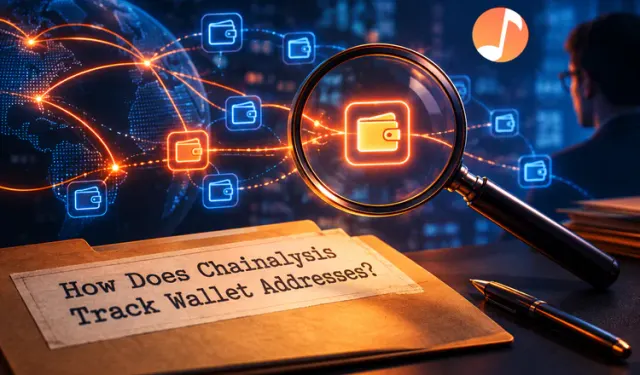
What Chainalysis is, how its software turns public blockchain data into a map of who paid whom, and the simple habits that stop you handing it easy links.
How governments deanonymize crypto transactions: the forensic software, the exchange records and the legal requests that turn an address into a name.
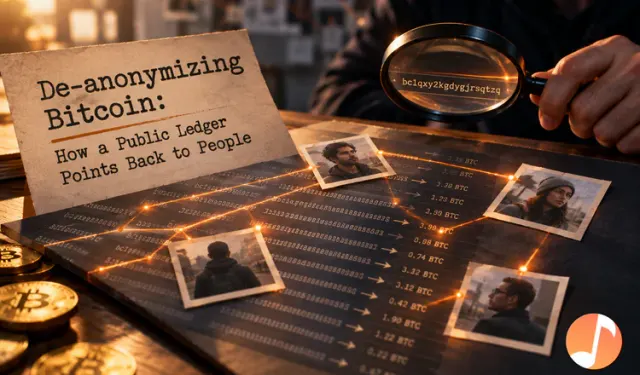
De-anonymizing Bitcoin explained simply: why a public ledger plus a few off-chain clues is often enough to link an address to a real person.
How Chainalysis tracks wallet addresses: the clustering tricks that group addresses into one wallet, and the exchange records that attach a name to them.
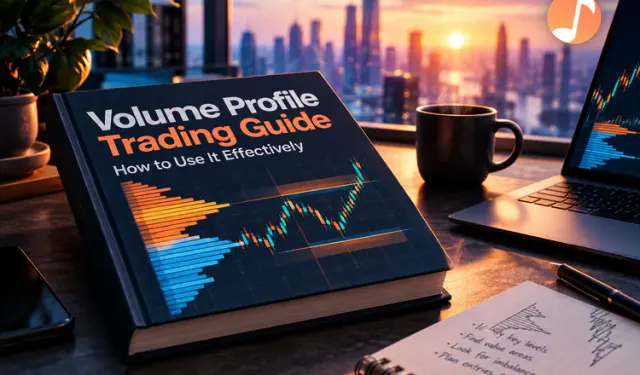
A plain-English volume profile trading guide: how to pick the range, read the shape of the histogram, and avoid the mistakes that make the tool useless.
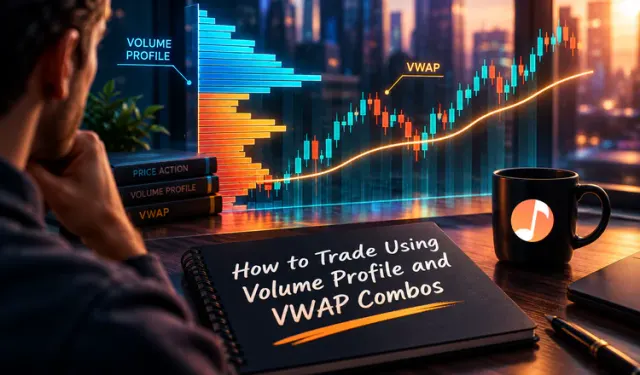
How to trade volume profile and VWAP combos: what it means when the point of control and the VWAP line land on the same price, and how traders use it.
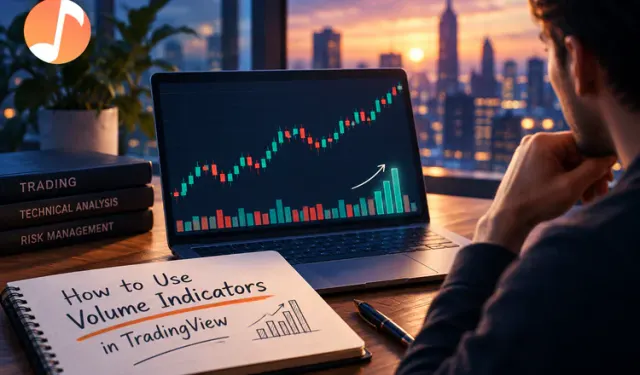
How to use volume indicators in TradingView: adding the volume bars, VWAP and OBV, finding volume profile, and the settings beginners usually get wrong.
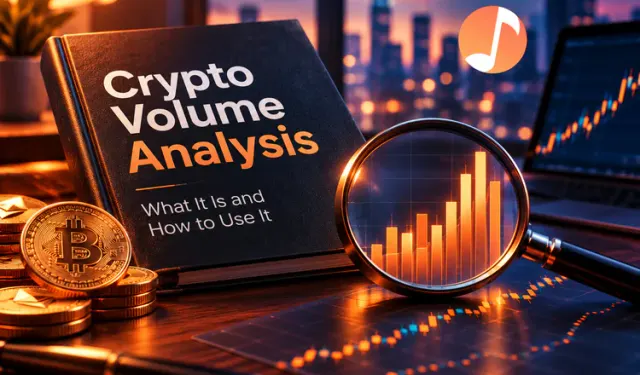
Crypto volume analysis for beginners: what volume really counts, why every exchange reports a different number, and the honest ways to use it on a chart.
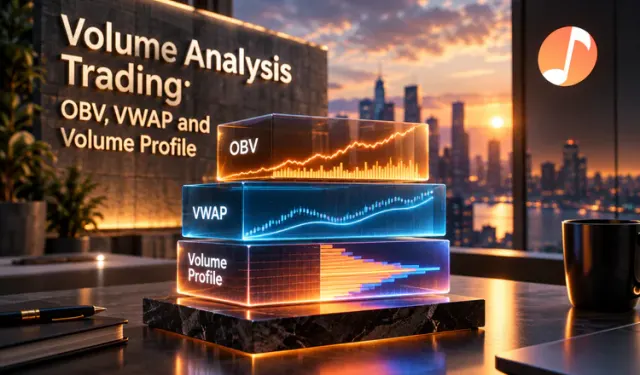
Volume analysis trading explained: what OBV, VWAP and volume profile each measure, where they disagree, and how to read all three without cluttering a chart.
How to read volume profile and AVWAP: what the point of control and value area show, what anchoring a VWAP measures, and how the two tools work together.
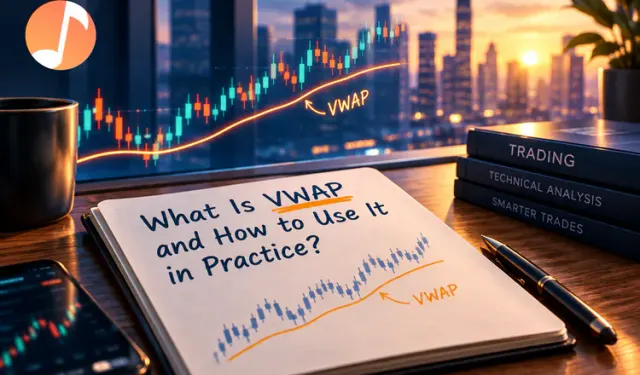
VWAP in plain English: what the volume weighted average price measures, why it resets every session, and the practical ways traders actually use the line.
Leveraged bitcoin ETF decay with simple numbers: why a 2x fund can end up down even when bitcoin finishes exactly where it started.