Structured education across every format and skill level · 20 guides
Tokenomics explained simply: how a token supply is set, what emissions and unlocks do to it, and what to check before you buy a crypto token.
Token burning explained simply: how coins are sent to an address nobody can open, why Ethereum and BNB do it, and what a burn really does to supply.
A crypto bridge explained simply: how coins move between blockchains such as Ethereum and Arbitrum, what happens to your tokens, and the real risks.
Interoperability in crypto explained: why blockchains cannot talk to each other on their own, how bridges move tokens between them, and what can go wrong.
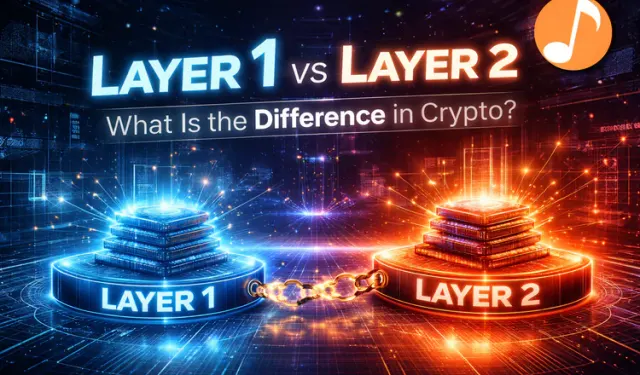
Layer 1 vs Layer 2 explained simply: what the main blockchain does, how networks like Arbitrum and Base cut fees, and which one to use.
Crypto confirmations explained simply: what a confirmation is, why exchanges make you wait for several, and how long bitcoin and Ethereum really take.
The mempool explained simply: where your crypto transaction waits before it is confirmed, why fees decide the queue, and what to do if yours is stuck.
A hard fork explained simply: a rule change that old software will not accept, why it can split a coin in two, and what Bitcoin Cash actually was.
A 51% attack explained simply: what someone with most of a network's mining power can do, what they cannot do, and which coins it has happened to.
Hash rate explained simply: what it measures, why a higher number means a safer Bitcoin network, and what it says about mining competition.
What is a block in a blockchain? A batch of transactions written to one page of the shared record, sealed and linked to the page before it.
Proof of stake explained simply: how Ethereum validators lock up coins as a deposit, why cheating costs them money, and how it replaced mining in 2022.