Structured education across every format and skill level · 381 guides
BITO's expense ratio is 0.95%, but the roll cost is the bigger bill. What a bitcoin futures ETF really charges you, added up in plain English.
The problems with bitcoin futures ETFs, plainly: roll cost, a higher fee, drift against bitcoin, confusing distributions, and no coins to withdraw.
What is a bitcoin futures ETF? In plain English: what the fund holds instead of coins, why it has to roll every month, and what that costs.
Bitcoin futures ETF contango and decay, explained simply: why the monthly roll costs money and how the drift against bitcoin adds up.
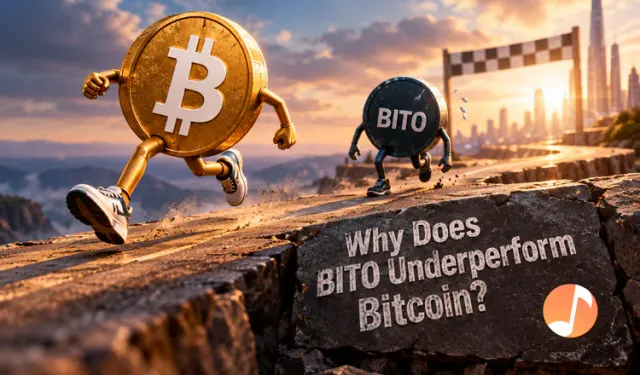
Why BITO underperforms bitcoin, explained simply: the monthly futures roll, a 0.95% fee, and why its share price alone misleads.
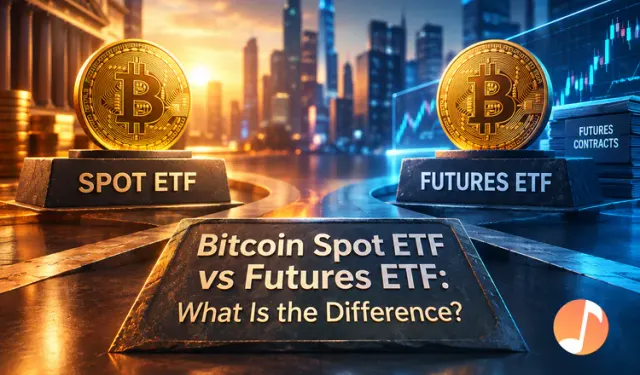
Bitcoin spot ETF vs futures ETF, explained simply: what each fund actually holds, why futures funds drift, and what neither one gives you.
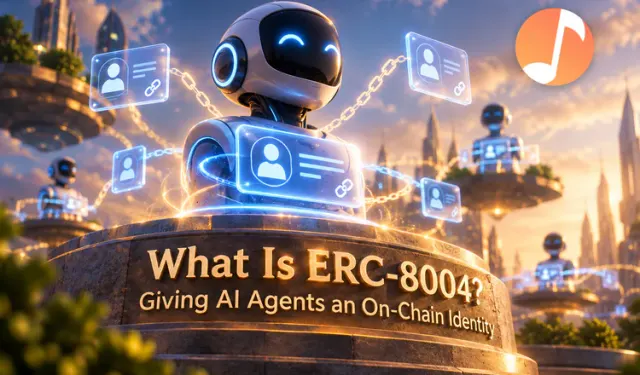
ERC-8004 explained in plain words: the draft Ethereum standard that gives AI agents an identity, a reputation and a way to be checked.
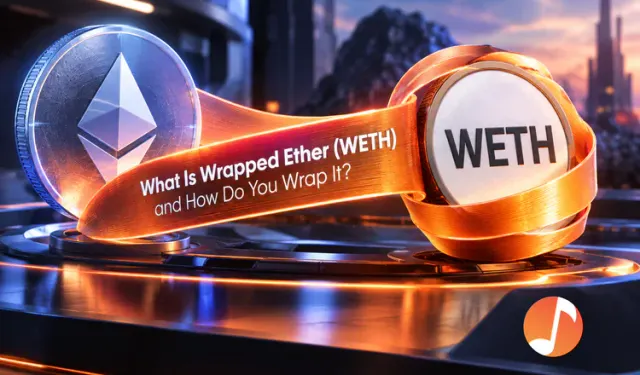
Wrapped ether (WETH) explained simply: why ETH needs a wrapper, how to wrap and unwrap it, and why 1 WETH always equals 1 ETH.
What ERC-4626 is in plain words: the shared rulebook for yield vaults on Ethereum, what a vault share is and why it grows.
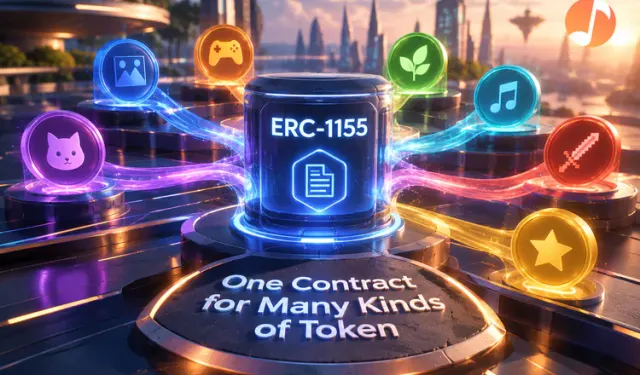
What is ERC-1155? The multi-token standard explained simply: one contract holding both identical and unique items, batch transfers, and why games use it.
What is ERC-721? The Ethereum standard behind NFTs, explained simply: unique token IDs, where the picture really lives, and the approvals worth watching.
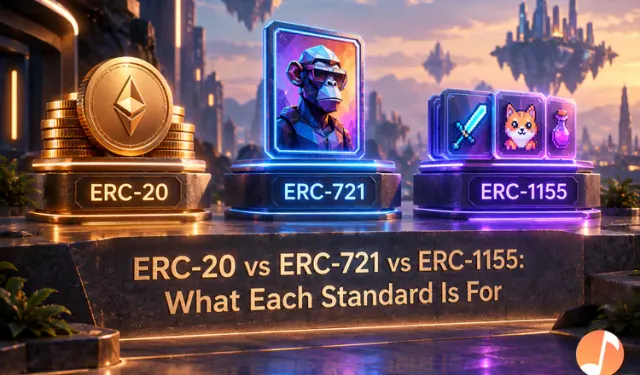
ERC-20 vs ERC-721 vs ERC-1155 in plain English: which standard means interchangeable coins, which means one-of-a-kind items, and which does both at once.