
Polygon Closes Coinme Deal and Gains 37 Money Transmitter Licenses
The January agreement closed on Wednesday. Polygon's payments arm now holds 37 state licenses, 11 exemptions and a FinCEN registration, covering 48 US states.
Tech, protocols & infrastructure
The January agreement closed on Wednesday. Polygon's payments arm now holds 37 state licenses, 11 exemptions and a FinCEN registration, covering 48 US states.

Citadel Securities bought a two-year note through BNY on Tradeweb. BNY recorded it on a private ledger, settled in minutes and took it back as repo collateral.
Validators order transactions without reading them, then decrypt together once the block is final. Aptos puts the overhead near 20 milliseconds per block.
Nick Johnson's executable draft bundles 15 calls into one transaction that would close the original .eth registrar to new names. No vote date is set.
An unchecked 64-bit sum in the payment engine could credit offer owners more XRP than a buyer paid. The fix shipped on 25 September; the report came on Friday.

The fork is set for Monday 26 October, with client releases due by 16 October. Two write-ups published the same day put it at 27 October instead.
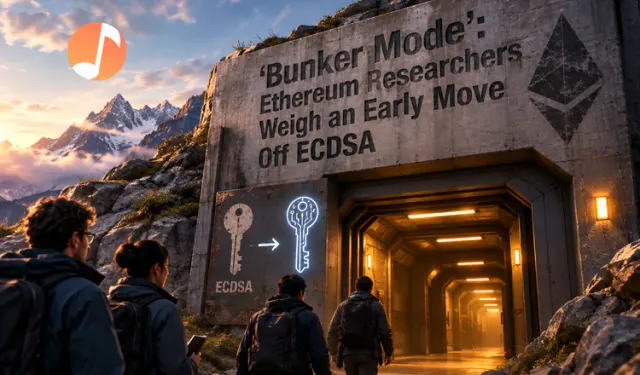
An Ethereum Foundation researcher says an ECDSA break could come in months. Ethereum's co-founder answered the same week: don't rush the migration.

CIP-0113 is live on mainnet and lets issuers of stablecoins, funds and bonds write identity and screening rules into native tokens. No hard fork was needed.
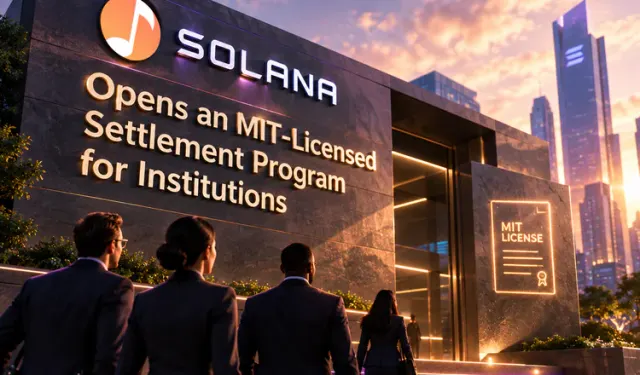
Solana's new DvP program settles a tokenized asset and its payment in one transaction. J.P. Morgan contributed input and disclaimed everything beyond it.
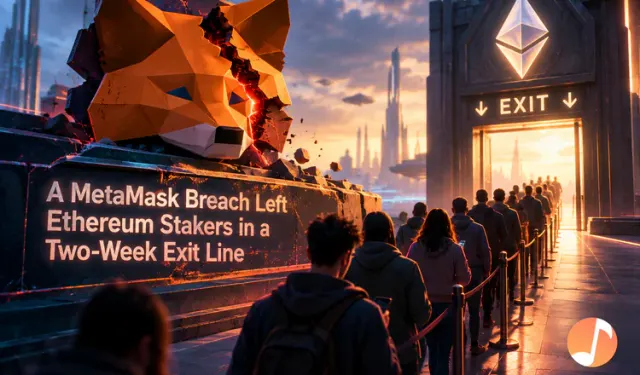
About 523,000 ETH across roughly 17,000 validators came out of Lido after block rewards were diverted. Leaving staking now takes close to a fortnight.

The Security Council raised activation gas to a prohibitive level on Arbitrum One and Nova. Existing programs keep running and no reopening date was given.
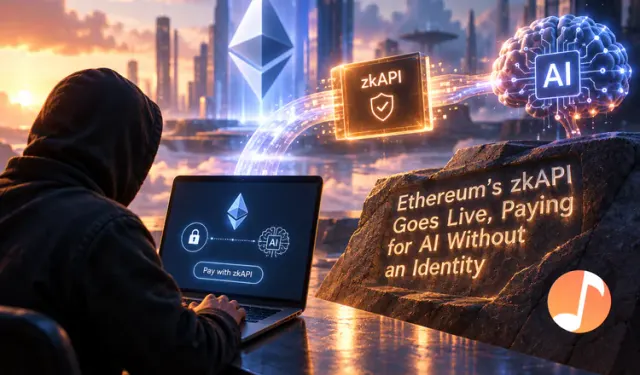
The Ethereum Foundation and the Open Anonymity Project put zkAPI on mainnet on 1 October. Users deposit ETH or USDC, then spend against zero-knowledge proofs.