
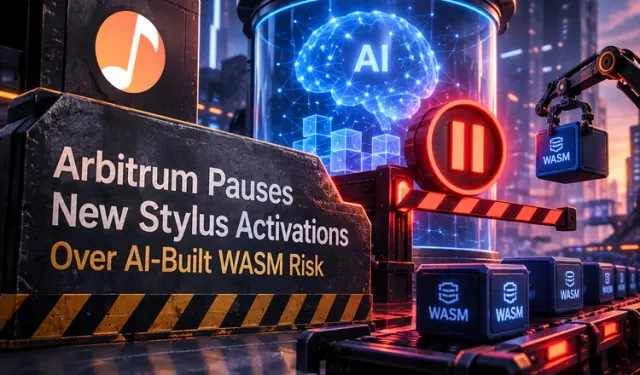
Arbitrum Pauses New Stylus Activations Over AI-Built WASM Risk
The Security Council raised activation gas to a prohibitive level on Arbitrum One and Nova. Existing programs keep running and no reopening date was given.
Tech, protocols & infrastructure
The Security Council raised activation gas to a prohibitive level on Arbitrum One and Nova. Existing programs keep running and no reopening date was given.

The Ethereum Foundation and the Open Anonymity Project put zkAPI on mainnet on 1 October. Users deposit ETH or USDC, then spend against zero-knowledge proofs.

Blast said operating costs exceed revenue and it sees no credible path to sustainability. Users have until 26 October to withdraw through its own interface.
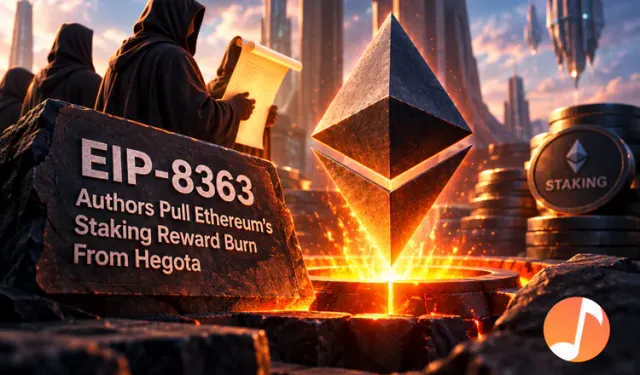
The authors of EIP-8363 withdrew their tapered issuance burn from Ethereum's Hegota fork, saying an issuance policy change deserves a process of its own.
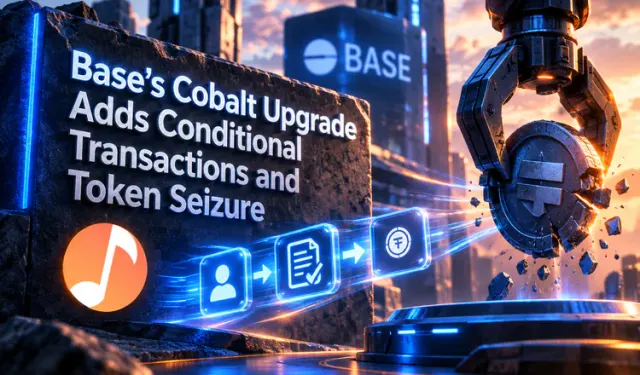
Base activated Cobalt on 30 September. It adds transactions that wait for an on-chain condition, and lets B20 asset administrators reassign balances.

Aztec Labs revived its private payments wallet after three years. Every transfer is capped at $2,500 and deposits share a $50,000 daily ceiling.

An essay published Sunday sets slot intervals of 4 to 8 seconds and finality of 8 to 32 seconds by 2030, with the shift beginning after the Hegota fork.

The fork is set for epoch 353024, 13:53:36 UTC. A developer warned that free test ether makes stalling the network cheap.
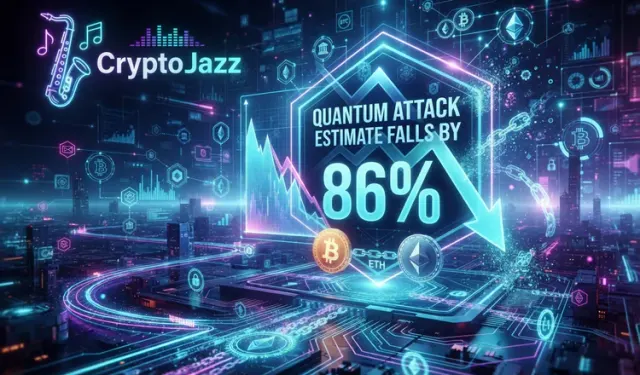
A crowdsourced challenge cut the estimated quantum resources for a core step in attacking secp256k1 by 86%. The authors say it is not an attack.
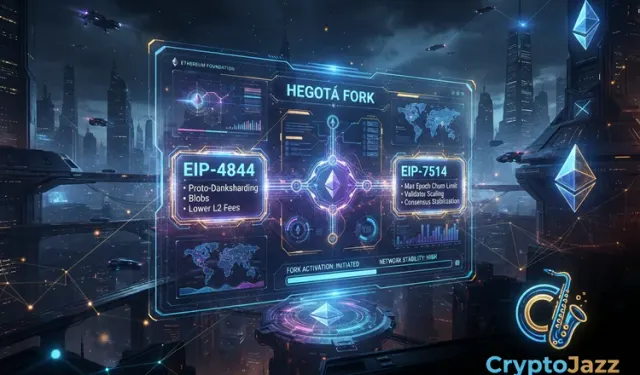
The Foundation graded all 62 proposals for Hegota and put two in the top tier. If either is at risk, it says the schedule moves before the scope does.
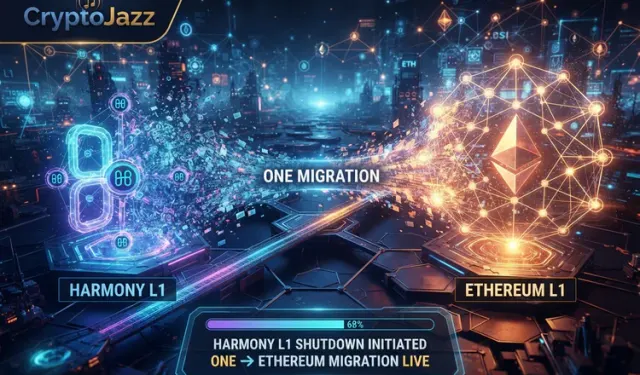
Harmony wants to end its seven-year-old chain and reissue ONE on Ethereum. Validators can start shutting down on 10 September, and the vote is non-binding.
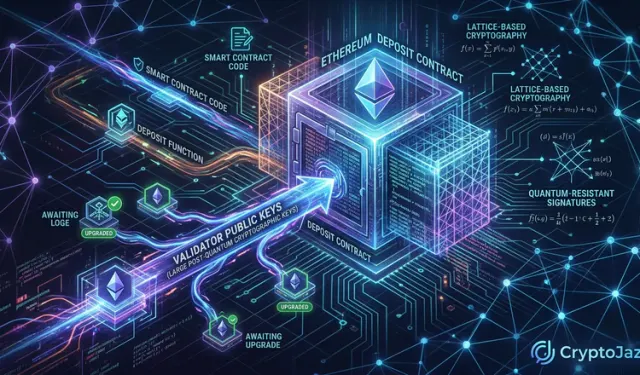
A draft EIP would replace the deposit contract's fixed BLS fields with keys of up to 8,192 bytes, and leave the post-quantum algorithm itself for later.