

LayerZero Ends Offchain Service for 13 Chains on 30 September
DVN and Executor service stops for Aurora, Taiko, opBNB, Gnosis and nine others. Stargate Hydra holders are told to bridge out before the date.
Tech, protocols & infrastructure
DVN and Executor service stops for Aurora, Taiko, opBNB, Gnosis and nine others. Stargate Hydra holders are told to bridge out before the date.

Anza retired TowerBFT on the developer cluster on Friday evening, the second public test network to switch. Nothing published this week sets a mainnet date.
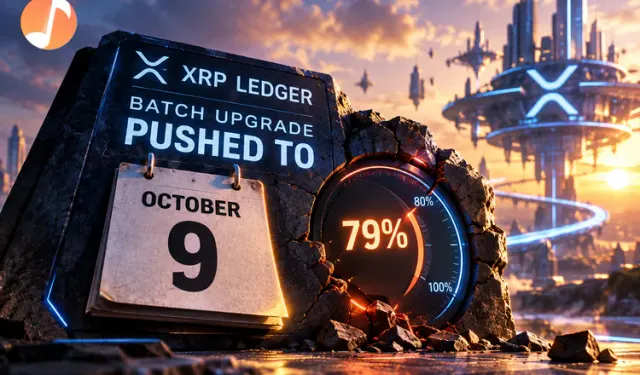
Support is back at 30 of 35 validators, but losing the majority once wiped the two-week countdown. The earliest activation is now 9 October at 14:46 UTC.
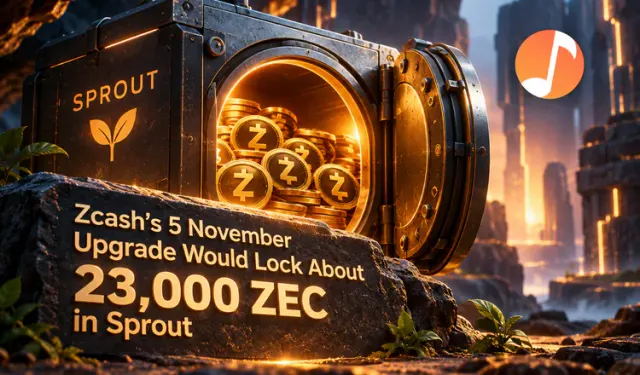
ZIP 2003 disallows version 4 transactions, and Sprout balances cannot be spent without them. The coins are not burned, and the text leaves a route back open.

The joint EBA, ESMA and EIOPA report says the risk could arrive before quantum computing is commercially useful. Estimates of exposed bitcoin do not agree.

Two hard forks moved exchange balances onto Zilliqa EVM after a Ledger app defect exposed 6,772 accounts. Self-custody holders are still waiting for a tool.

Canada's six biggest banks will test transfers of tokenized Canadian-dollar deposits between themselves. No platform, no launch date and no project name yet.

Hana Bank's five-year, $100 million bond ran on Euroclear's D-FMI and settled at T+0, a first for Korea's foreign-currency bond market.

Proposal 68 passed with 58% turnout. ZETA becomes a Solana token one-for-one, and a second vote will set the snapshot and the shutdown block.

The fourteen-day countdown began on 15 September with 30 of 35 validators behind it. Accounts of that day's vote count differ by three.

Daily fees ran near $8 million at the early-September peak and about $230,000 on the 16th. Transactions over the same week fell 6%.

The fork is set for epoch 353024, 13:53:36 UTC. A developer warned that free test ether makes stalling the network cheap.