Structured education across every format and skill level · 92 guides
How AI agents pay for APIs: the HTTP 402 handshake, stablecoin payments of a fraction of a cent, and the spending limits worth setting first.
Agentic payments explained: how an AI agent gets permission to spend your money, who is building the standards, and the limits worth setting before you try.
A machine-to-machine payment protocol lets software pay software in crypto with nobody at the checkout. How it works, where it is used, and what goes wrong.
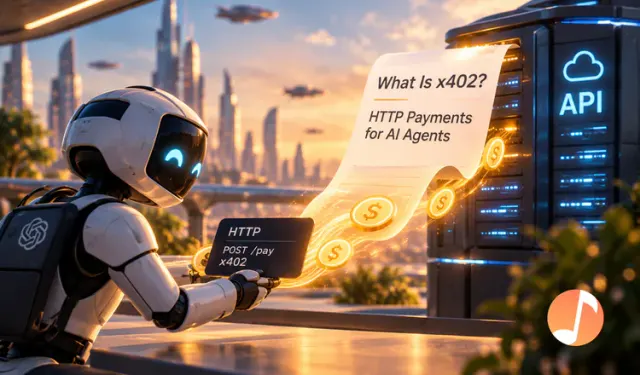
HTTP 402 payments for AI agents, explained: why the Payment Required code sat empty for thirty years, what changed, and why programs need it more than people.
The x402 protocol explained: what an AI agent signs, who puts the payment onchain, and how thousands of tiny stablecoin payments are batched into one.
x402 explained simply: how an unused web status code became a way for AI agents to pay for data in stablecoins, step by step, and who is using it.
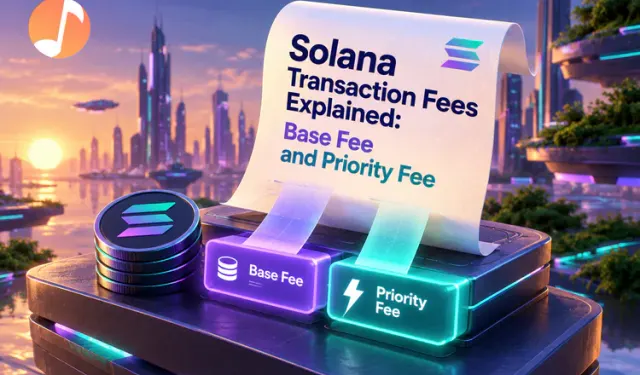
Solana transaction fees explained: the 0.000005 SOL base fee, the optional priority fee, and the small deposit that surprises people on their first token.
Why is your transaction still pending in Phantom? What pending really means on Solana, why it normally clears in seconds, and when it is already gone.
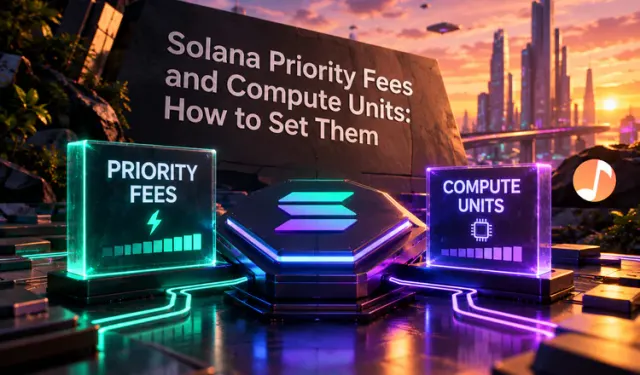
Solana priority fees and compute units explained simply: what each one does, how they multiply into a fee, and how to set them in Phantom or Jupiter.
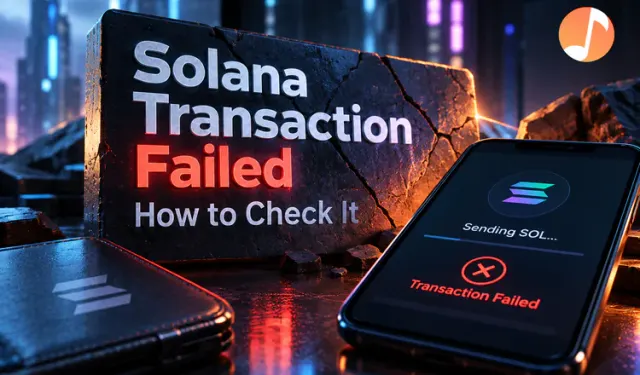
Your Solana transaction failed? How to check it: find the signature in Phantom, read the result on Solscan, and tell a failure from a drop.
How to fix failed Solana transactions: read the error first, then change the one setting behind it - funds, slippage, compute budget or congestion.
Solana transactions cost money even when they fail. What the fee pays for, how small it really is, and the one case where you are charged nothing.