

Ledger Patched an Ethereum Signing Flaw, Then Fought Over the Disclosure
Ethereum app 1.22.2 closed a race condition that could swap a transaction mid-review. The patch shipped on 12 August; the argument is about how it reached the public.
Tech, protocols & infrastructure
Ethereum app 1.22.2 closed a race condition that could swap a transaction mid-review. The patch shipped on 12 August; the argument is about how it reached the public.

Gnosis Chain will dissolve into a ZK rollup on Ethereum after GIP-153 passed almost unanimously, freeing 27% of GNO supply. The token hit a three-month high.

Ethereum opened Platåberget, a months-long public testnet for Glamsterdam, testing ePBS, block-level access lists, a roughly 200M gas floor and 64KiB contracts.

Ethereum's final Glamsterdam devnet went live on July 14 testing a 300 million block gas limit, five times mainnet, with state access repriced to match.
Cambridge measured Ethereum at 7.87 gigawatt-hours a year and 0.90 megawatts of continuous demand, more than 99.9% below its pre-Merge level.

Base switched on B20, a token standard built into its node software rather than deployed as a contract, two weeks after June's outages pushed it out of Beryl.

Vitalik Buterin's July 6 post would cut on-chain validator state to about 6 bytes using daily ZK-STARK proofs. Researchers back it, but call 3-4 years slow.

Base stopped producing blocks for 116 minutes on 25 June and again for 20 minutes on 26 June, after stale state from a failed transaction produced a block validators rejected. No funds were at risk, but the Beryl hardfork was postponed.
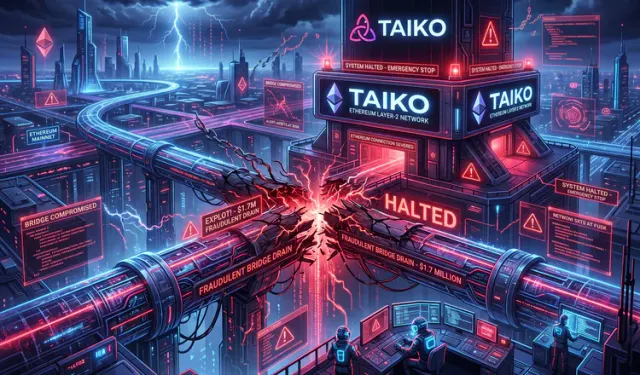
Taiko stopped block production and froze its bridge on June 22 after forged withdrawal proofs drained about $1.7 million, traced to a leaked SGX signing key.

A deprecated Aztec 2.0 escape-hatch verifier lost about $2.2 million this week, days after the retired Aztec Connect rollup lost $2.19 million. Both contracts have been outside Aztec Labs' control since 2024.

Starknet put STRK20 live on mainnet on 9 June, a privacy standard covering arbitrary ERC-20 tokens. Private transfers are validated by zero-knowledge proofs, with encrypted notes stored in contract storage and a stated cost of roughly 4 STRK each.