Structured education across every format and skill level · 134 guides
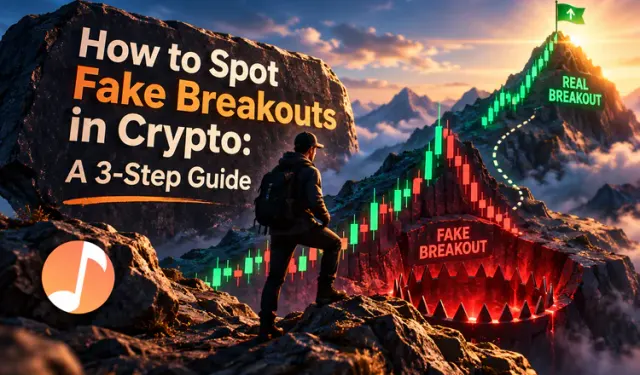
How to spot fake breakouts in crypto in 3 steps: wait for the close, check the volume, and let the level prove itself on the retest before you trade it.
What is a fakeout in crypto? A plain explanation of the false breakout: what it looks like, why crowded levels attract it, and why it is not usually foul play.
Breakout vs fakeout in crypto: what a real move does that a fake one does not, and the simple test that tells them apart without guessing.
How to spot false breakouts and avoid fakeouts in crypto: the three checks that separate a real move from a trap, and the habits that keep you out of them.
When a symmetrical triangle pattern fails, what to do next: how to spot the false break, why triangles fail so often, and how to handle the second break.
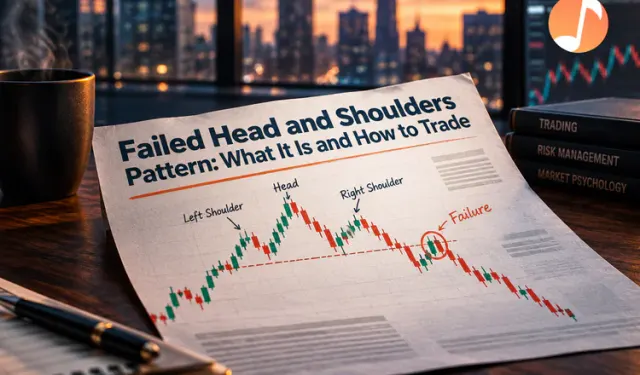
A failed head and shoulders pattern: the definition, what the failure looks like on the chart, why it happens so often, and how traders handle it.
Liquidity sweep trading with stop hunts explained: the setup traders wait for, where the stop belongs, and why the pattern fails more often than it looks.
Liquidity grabs explained: where resting orders sit on a chart, how to tell a grab from a genuine breakout, and what to do when you spot one.
Stop hunts in financial markets, explained through liquidity: what liquidity means, why your stop order is part of it, and who is really hunting.
Liquidity sweeps explained: why price takes your stop before reversing, what actually gets swept, and how to tell a sweep from a real breakdown.
You get stopped out, then the trade goes in your direction. Here is what actually happened, how to tell a sweep from a bad stop, and how to re-enter.
Why is the price reversing after hitting my stop loss? Because clustered stops are the liquidity big orders need — a liquidity sweep, not a personal hunt.