Structured education across every format and skill level · 92 guides
A Solana explorer guide: how to use a Solana blockchain explorer, which one to pick for which job, and what an explorer can never tell you.
How to read a Solana transaction in an explorer: which fields matter, where to see what actually moved, and what the list of instructions is telling you.
A Solscan beginner's guide: how to track Solana transactions in ten seconds, what to paste in the search box, and how to tell a success from a failure.
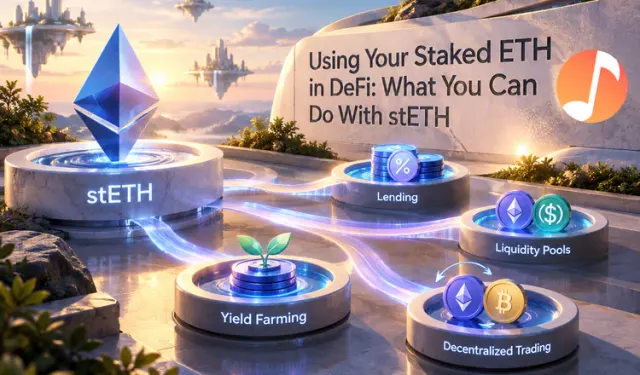
Using your staked ETH in DeFi: stETH as collateral, in liquidity pools and on layer 2s. What each one earns, why apps want wstETH, and where it goes wrong.
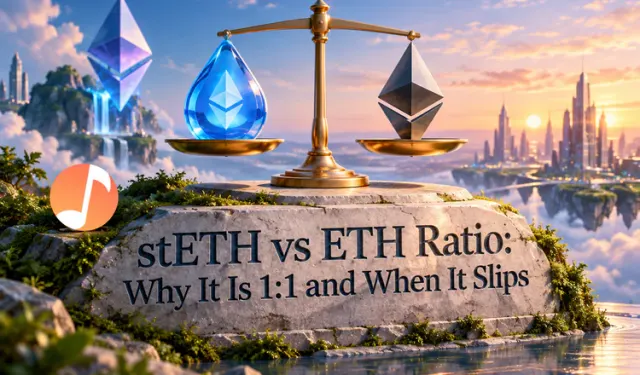
The stETH vs ETH ratio is 1:1 through Lido but not always on the market. The two numbers explained, and why wstETH shows a ratio above one on purpose.
Is stETH safe? The honest answer: the risks are specific and nameable - smart contracts, slashing, the oracle, governance and the market price. Here they are.
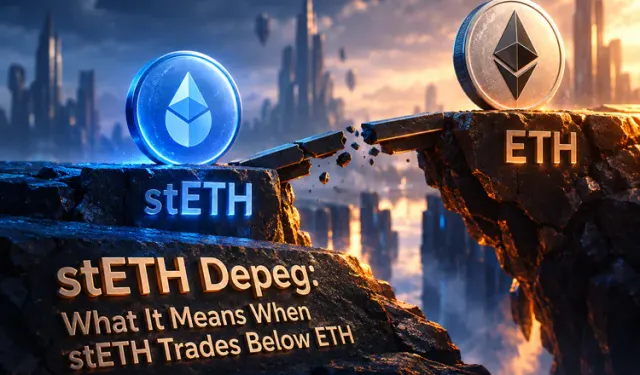
A stETH depeg means stETH trades below ETH on the open market. Why it happens, what happened in 2022, and whether a discount actually costs you money.
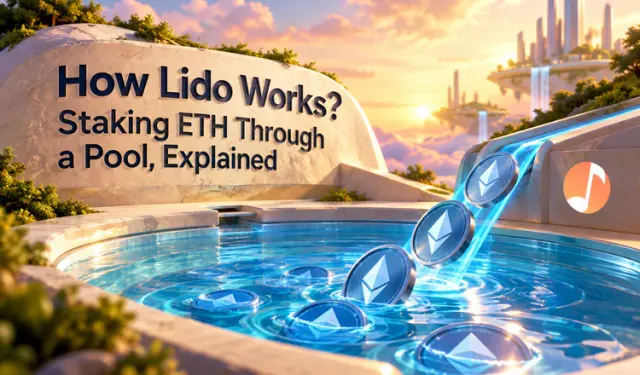
How does Lido work? Your ETH joins a pool, professional operators run the validators, and you hold stETH. The fee, the oracle and the exit queue explained.
What is wstETH? Lido's wrapped staked ETH keeps a fixed balance while its value grows. Why DeFi apps prefer it, how to wrap, and what to watch.
What is stETH? Lido's token for staked ETH: how the daily rebase works, why it sometimes trades below ETH, and what it is safe to use it for.
What is liquid staking? Stake your ETH and keep a tradeable token that still earns rewards. How it works, what it costs, and the risks worth knowing.
Agent identity verification explained: how an AI agent proves it is allowed to spend your money, what a signed mandate contains, and what it cannot stop.