Structured education across every format and skill level · 381 guides
What is a test transaction? Why sending a tiny amount first catches wrong addresses and wrong networks, and how to do one in a few minutes.
Crypto transaction fees explained: who gets the money, why the same transfer costs more at busy times, and simple ways to pay less.
Why is there no forgot password button in crypto? What can be reset, what is gone forever, and how to build a recovery plan before you need one.
Exchange vs wallet explained: who holds the coins, what you gain and lose with each, and a simple rule for deciding where your crypto should sit.
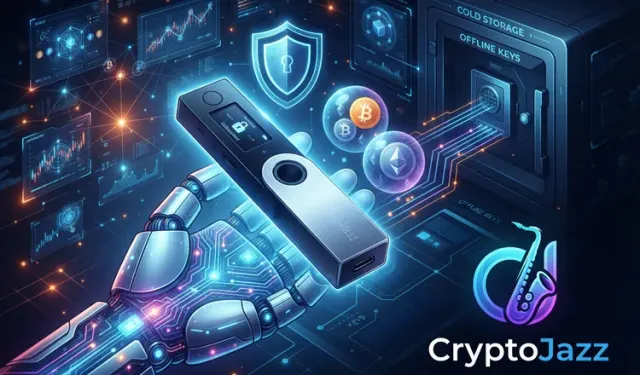
What is a hardware wallet? How a small offline device like a Ledger or Trezor guards your private key, what it cannot protect, and when to buy one.
What are software wallets? How hot wallets like MetaMask and Trust Wallet keep your keys on a device, what can go wrong, and when to use one.
What is a crypto wallet and how does it work? Why wallets hold keys rather than coins, and how hot, cold and exchange accounts differ.
What is a seed phrase? The 12 or 24 words that restore a crypto wallet, why order matters, and how to store them without losing everything.
What is a private key in crypto? The secret number that proves coins are yours, why nobody can reset it, and the habits that keep it safe.
What is a public key in crypto? The part of your wallet you can safely hand out, how it becomes your address, and what people can see with it.
Why do crypto markets never close? How 24/7 trading works without an opening bell, why weekend moves are sharper, and how to handle it.
What is the network effect in crypto? Why a blockchain gets more useful as more people join, shown with Bitcoin, Ethereum, Tether and Uniswap.