
The End of Uncertainty: Why Solana’s Commodity Status Outweighs Any Exchange Listing
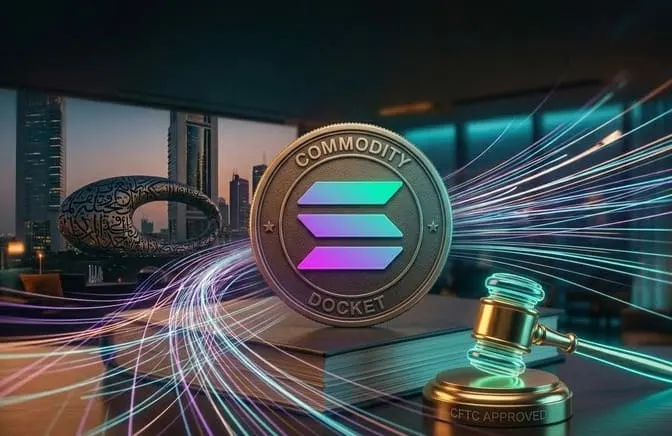
March 21, 2026. On March 17 at 2:00 PM EST, the SEC and CFTC simultaneously released a joint 68-page document. This move fundamentally rewrote the rules for the digital asset industry. Consequently, regulators officially classified Solana (SOL) as a digital commodity among 16 other assets. This is not just a convenient choice of words. Instead, it marks the definitive moment where SOL joins the ranks of Bitcoin, Gold, and Oil. Now, the market views SOL as a decentralized asset whose value stems from network utility and organic demand rather than corporate promises.
What Exactly Happened?
Years of legal battles and regulatory fog have cleared. The document states explicitly: the value of SOL is the result of a decentralized network, its programmatic execution, and organic market supply and demand. The Howey Test—predicated on the expectation of profit from the efforts of others—simply no longer applies. Period.
This is a massive “green light” for ETFs, institutional funds, and global power players. A commodity status allows SOL to be traded on CFTC-regulated platforms without the restrictive burdens the SEC imposes on securities. SOL is now in the same league as BTC and ETH—opening the floodgates for new futures, options, structured products, and a massive influx of capital that previously sat on the sidelines fearing “security” risks.
The Alpenglow Connection: Tech Drives Status
Yesterday, we broke down how Solana is swapping its engine for Alpenglow—removing PoH from the core consensus, introducing Votor for ultra-fast off-chain finality, and Rotor for instant data propagation. With ~150ms finality and “20+20” resilience, the network is becoming even more decentralized, functional, and independent.
Regulators are responding to exactly this: high technical sophistication, the absence of central control, and genuine utility are what define SOL as a commodity rather than an investment contract. Technological progress (Votor/Rotor and true decentralization) has directly dictated the legal outcome. The regulators have acknowledged that the network operates on its own, without “promoters”—the textbook definition of a classic commodity.
Why Dubai is Celebrating
For VARA-licensed VASPs and firms in ADGM (Abu Dhabi Global Market), this removes the final cross-border barriers. SOL can now be seamlessly integrated into financial products without the looming threat of future “security” reclassifications. Institutional capital from the US and Europe can now flow into Dubai with ease, allowing local funds to legally package SOL for professional investors. Hub71, DIFC, and other tech hubs have gained a powerful catalyst: the speed of Alpenglow combined with a commodity status is the perfect formula for RWA (Real World Assets), DeFi, and large-scale tokenization in the UAE.
Jazzman’s Take
The notes are set; the instruments are tuned. We have moved from the “improvisation for survival” phase to the grand symphony of the institutional market. The key now is to stay in rhythm. Solana is no longer fighting for a spot under the spotlight—it is already on stage, and the lights are shining brighter than ever.
We’ll be watching closely as the capital flows in and new products emerge.
Tired of the hype and empty promises? Stay here. Subscribe to the fresh jazz:
-
📱 Telegram — News first.
- 📸 Instagram — Visual jazz and stories.
Read more from our archives: