
How to Report Crypto Fraud to the FBI
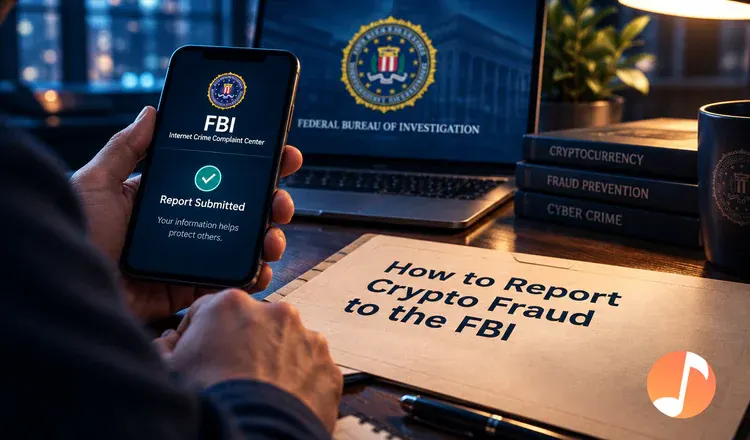
To report crypto fraud to the FBI, you file an online complaint with IC3, the FBI's Internet Crime Complaint Center. It is free, there is no phone call or office visit, and it covers every kind of crypto scam — fake investment sites, romance scams, drained wallets, bogus exchanges. If you are in danger or the crime is still happening, call your local FBI field office or the police instead.
Which crimes count as crypto fraud?
Almost anything where someone tricked you out of coins. A stranger on a dating app who talked you into a "trading platform" that will not let you withdraw. A fake MetaMask support account that asked for your seed phrase. A website copying Uniswap that emptied your wallet when you connected it. The FBI treats all of these as internet crime, and all of them go through the same form. You do not need to know the correct legal name for what happened.
What makes a report useful?
Think of it like reporting a hit-and-run: the licence plate matters more than how you felt. In crypto the licence plate is the wallet address and the transaction hash — the unique receipt number every Bitcoin or Ethereum transfer gets. Include:
- The addresses that received your money and the hashes of each transfer.
- Amounts, coins and dates, even if approximate.
- Every name, username, phone number and website the scammer used.
- Screenshots of the conversation, saved before the scammer deletes them.
Our step-by-step walk-through of filing an IC3 report goes through the form screen by screen.
Will the FBI get my money back?
Usually not directly, and it is better to know that now. The FBI does not open a case for every complaint and will not update you on yours. What your report does is join yours to other victims'. When dozens of people name the same address, it becomes a pattern investigators can chase, and sometimes an exchange like Binance or Coinbase can freeze funds that landed there.
Outside the United States the idea is the same: report to your national police or fraud centre, and keep the reference number. And when someone contacts you afterwards claiming to be from the FBI or a "recovery firm" asking for a fee, stop — read are crypto recovery services a scam before you reply.