
Measuring the Outcomes of Moscow Trading Week 2026
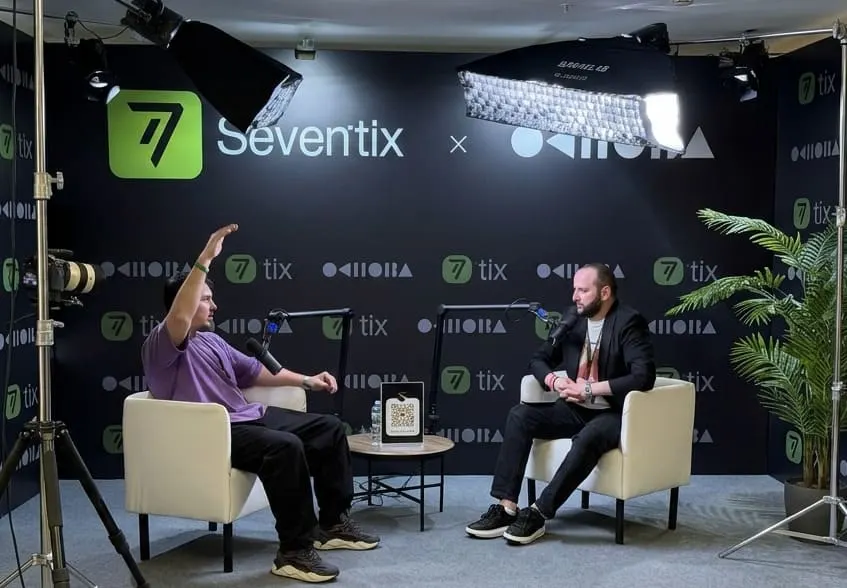
The international financial conference Moscow Trading Week 2026 recently concluded its three-day program in Moscow-City. The event took place in the Federation Tower from May 13 to May 15. Surprisingly, it attracted more than 5,000 asset managers, retail traders, and market analysts from 15 countries. Consequently, the central focus of all panel discussions remained capital preservation under major macroeconomic shifts.
Changes in modern asset allocation
A significant segment of the event was dedicated to structural portfolio changes for the upcoming market cycle. Traditional brokers and banking representatives discussed practical methods to protect wealth against fiat currency inflation.
However, institutional interest is visibly shifting toward alternative digital instruments. This happens because inflation continues to devalue classic cash savings. Therefore, fund managers are actively exploring tokenized real-world assets (RWA). They view these assets as legitimate diversification tools for the near future. In addition, five professional portfolio managers presented their active debt strategies. They explained how to assess credit quality in high-yield segments, where the margin between profit and default is very thin.
Infrastructure and artificial intelligence
The technical sessions shifted away from theoretical macroeconomics to practical execution models. On the second day, industry experts analyzed the integration of artificial intelligence within finance. Furthermore, panels debated the scale of predictive underwriting and automated asset allocation.
Nevertheless, these automated systems introduce significant systemic risks. For instance, generative models accelerate product customization but create vulnerabilities. As a result, speakers heavily prioritized cyber defense frameworks and the strict accountability of algorithmic decisions. Meanwhile, compliance lawyers provided step-by-step guidelines for executing cross-border transactions through alternative liquidity pools.
Risk management and trading psychology
The final day focused entirely on the relationship between execution models and trading psychology. Professional risk managers analyzed the behavioral traps that lead to capital loss. Specifically, they targeted trading tilt and FOMO, which often ruin accounts.
In conclusion, the discussions during the conference confirmed a broader market trend. The boundaries between legacy financial products and digital asset infrastructure are steadily disappearing. Thus, modern wealth management now depends heavily on infrastructure adaptability. To protect capital efficiently, investment managers must understand both traditional exchange instruments and alternative ledger solutions at the same time.