
2026: The Year Real-World Asset (RWA) Tokenization Goes Mainstream
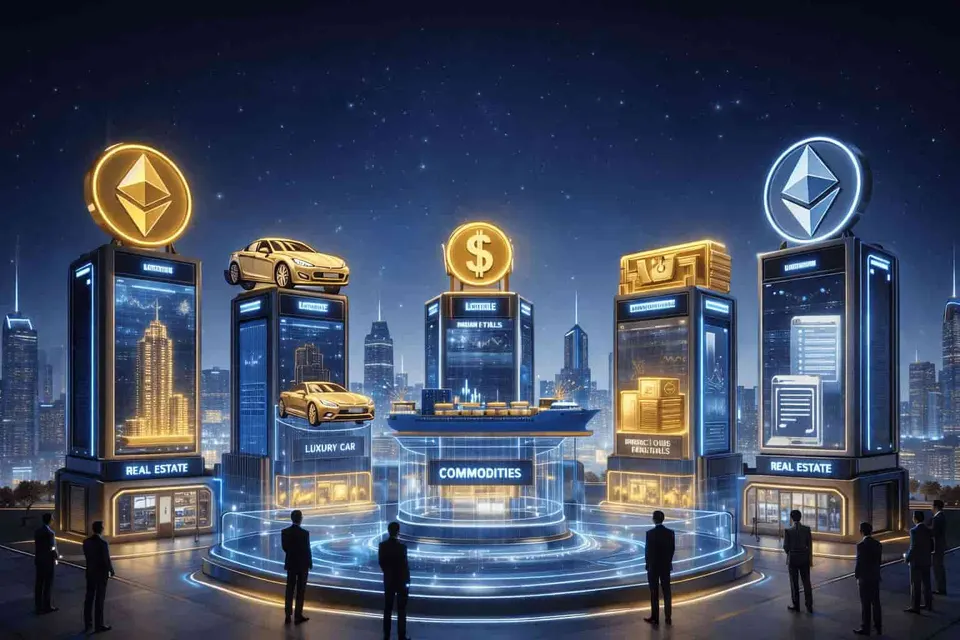
In 2025, there were all these pilot projects for tokenizing real-world assets, you know, with big banks and tech firms trying out blockchain on old-school financial stuff. It felt like a lot of testing. But now, heading into 2026, things are shifting toward actual use in banks and markets every day. I think experts are saying that standards are getting built out, so tokenization is not just some experiment anymore, its turning into a base layer for making things cheaper and easier, and maybe opening up investments to more people.
One big thing that pushed this along was that No-Action Letter from the SEC at the end of last year for the Depository Trust Company, or DTCC anyway. They have this subsidiary set up to start a service tokenizing liquid assets like Russell 1000 stocks, index ETFs, and U.S. Treasury bonds, planned for later in 2026. That means people in the market can handle real assets on chain but still keep all the usual rights and protections like with regular securities. It seems controlled, which is good.
Tokenized deposits are kind of at the center of it all still. Banks turn client money into tokens, so settlements happen anytime, day or night, and you can program in rules like auto interest or limits on how its used. That cuts down risks and makes life simpler. For 2026, these are getting popular for big institutional stuff, even more than stablecoins I guess, because they tie into regulated bank accounts and have backing from places like the FDIC.
Alongside that, bonds are getting tokenized fast, including the green ones for environmental projects. Blockchain lets you track every bit of money transparently, cuts admin costs, and lets regular investors in easier. In money markets, banks put out tokens for shares in liquidity funds, which helps with collateral and trading on secondary markets. Like, JPMorgan launched this MONY fund on Ethereum end of 2025, first from a major bank on public chain. It only goes into Treasuries and repos, with daily dividends, and you can buy or sell with cash or stablecoins.
Commercial paper moving to blockchain speeds up issuing and makes markets deeper with auto checks and lower costs. In lending, tokenizing mortgages or small business loans lets you split them up, so more liquidity and risks spread out to investors. That could mean better access to loans and maybe lower rates from competition. It democratizes things a bit.
Government bonds are fitting into on-chain setups as collateral for repos, with instant settlements that ditch the old delays. Trade finance gets programmable and atomic, so fewer mistakes. Real assets like real estate or gold, they are tokenizing those too for fractional ownership, no need to buy the whole thing. Fund shares act as collateral everywhere. And carbon credits, ESG stuff, that is getting attention for sustainable finance, with tracking from start to finish.
This part gets a bit messy, but Ondo Finance is set to launch tokenized U.S. stocks and ETFs on Solana early 2026, with 24/7 trading and quick settlements. BlackRock is growing their BUIDL fund, over 2.5 billion now, linking it to more chains and using as collateral. Grayscale and others predict the market blows up multiple times over in 2026 from institutions coming in.
Tokenization is just becoming part of the everyday infrastructure now. With DTCC, JPMorgan, BlackRock, Ondo pushing, 2026 feels pivotal, from pilots to real scale, opening efficiency and more inclusion in markets. Its a shift in finance, not only tech.